Compare five RFP response management software options for commercial B2B teams and see which platform fits your workflow, pricing expectations, and rollout model.
Contact us for a quote and see how our platform combines source-backed drafting, reviewer control, and export-ready response workflows.










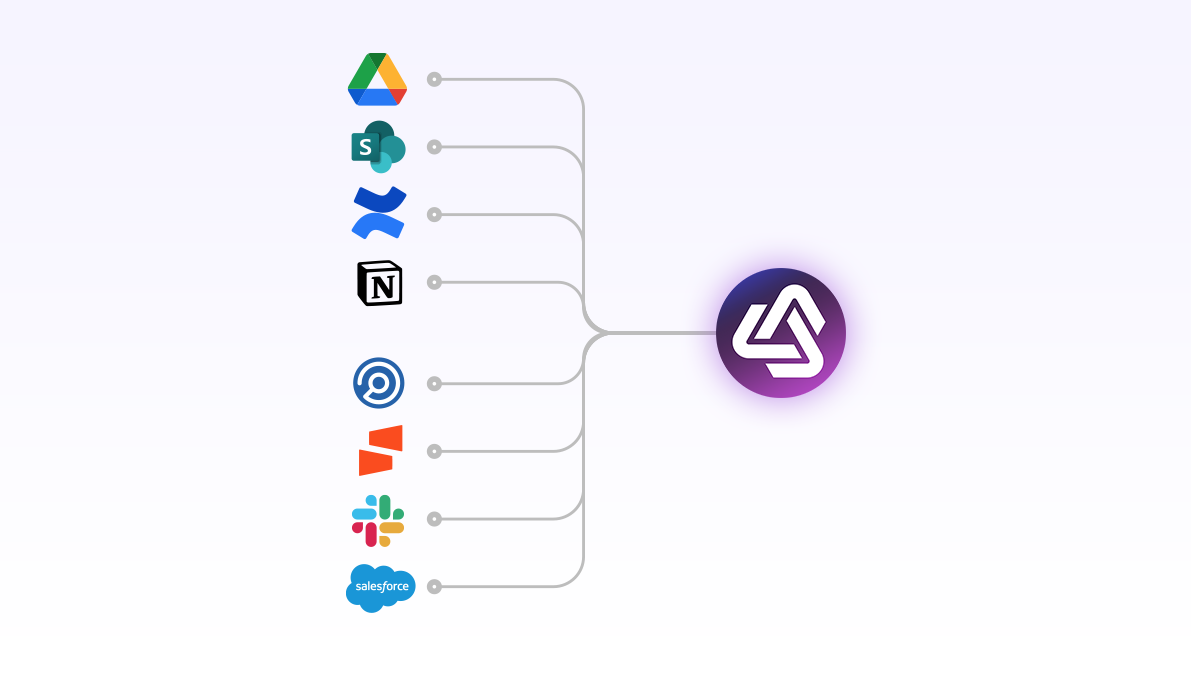
Connect Google Drive, SharePoint, Confluence, Notion, Seismic, Highspot, and web content so the next draft reflects current product, security, and enablement material.
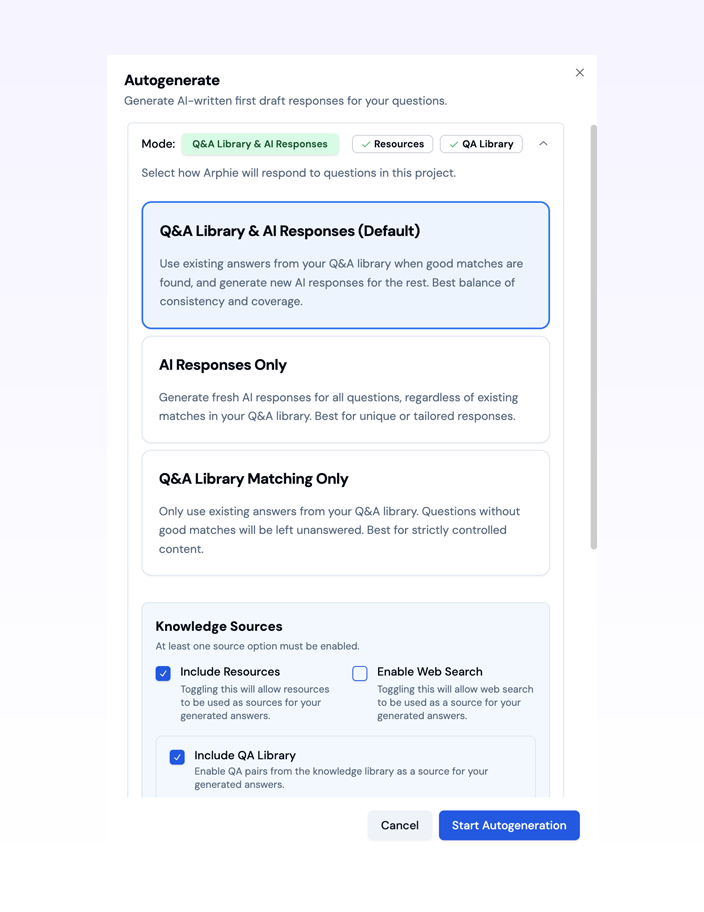
Generate first drafts tied to inspectable source material so presales, proposal, and security reviewers can pressure-test the answer before it goes out.

Use role-based access, auditability, encryption, and enterprise security controls so the team can move faster without losing review rigor.
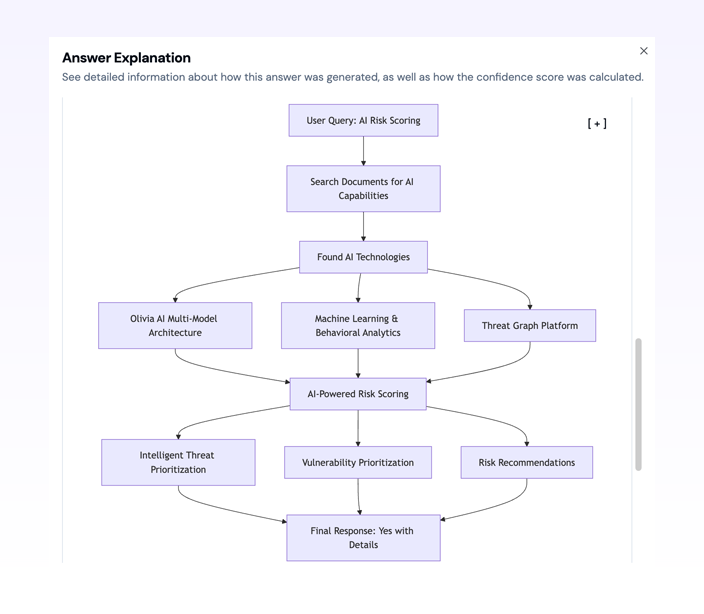
Show the exact sources and confidence behind generated answers instead of asking reviewers to trust polished copy with no audit trail.
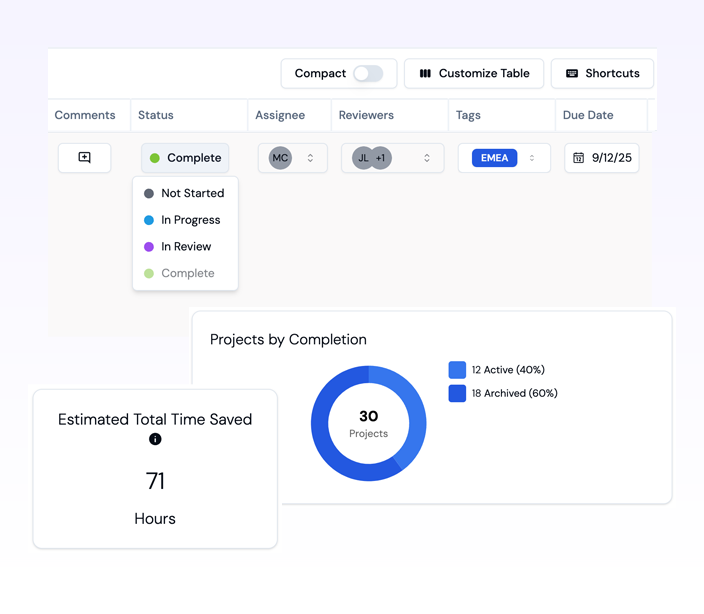
Import Word and Excel questionnaires, route work to the right reviewers, track deadlines, and export the finished response back into the buyer-required format.
RFP response management software helps teams replace shared docs, spreadsheet trackers, and generic AI with a system built for real response work. The best tools do more than draft answers. They keep approved content current, route reviews cleanly, handle Word and Excel questionnaires, and give the team enough control to trust the final output.
This guide compares five options for commercial B2B response teams and shows which workflow each one fits best. The shortlist is Arphie, Loopio, Responsive, DeepRFP, and RFP Response Builder.
Arphie is the best place to start if you want live knowledge connections, source-backed answers, cross-functional reviewer control, and fast rollout in one platform. Loopio and Responsive are better fits when your team wants a broader, more mature suite with strong content management and is comfortable with a more library-centered operating model than an AI-native one. DeepRFP and RFP Response Builder are narrower fits for proposal-led teams or Microsoft Office-centered workflows.
| Tool | Best for | What stands out | Pricing and buying note |
|---|---|---|---|
| Arphie | Cross-functional response teams that want source-backed AI and reviewer control | Live knowledge connections, source-backed drafting, Word/Excel workflows, and strong governance | Contact us for a quote; we usually switch teams in less than a week when source content is ready |
| Loopio | Established response teams that want content management and collaboration in one platform | Collaborative content library, content connectors, security questionnaire coverage, and proposal workflows | Foundations, Enhanced, and Enterprise tiers; Foundations starts at 10 seats |
| Responsive | Organizations that want one platform across RFPs, security questionnaires, assessments, and buyer questions | Strategic Response Management positioning, AI workflows, and broad native integrations | Pricing starts at $5,000 per year for 5 users and scales into enterprise editions |
| DeepRFP | Lean proposal teams, proposal consultants, and smaller commercial teams | Opportunity workspaces, compliance checks, DOCX/XLSX outputs, multilingual writing, and transparent pricing | Pro plan is $89 per user per month, Elite is $149 per user per month, and there is a 7-day free trial |
| RFP Response Builder | Word/Excel-heavy teams that want the most familiar workflow | Office-integrated content library, section assignments, a cloud dashboard, and fast adoption | Pricing is published, there is a free trial, and teams with more than 20 licenses can request volume discounts |
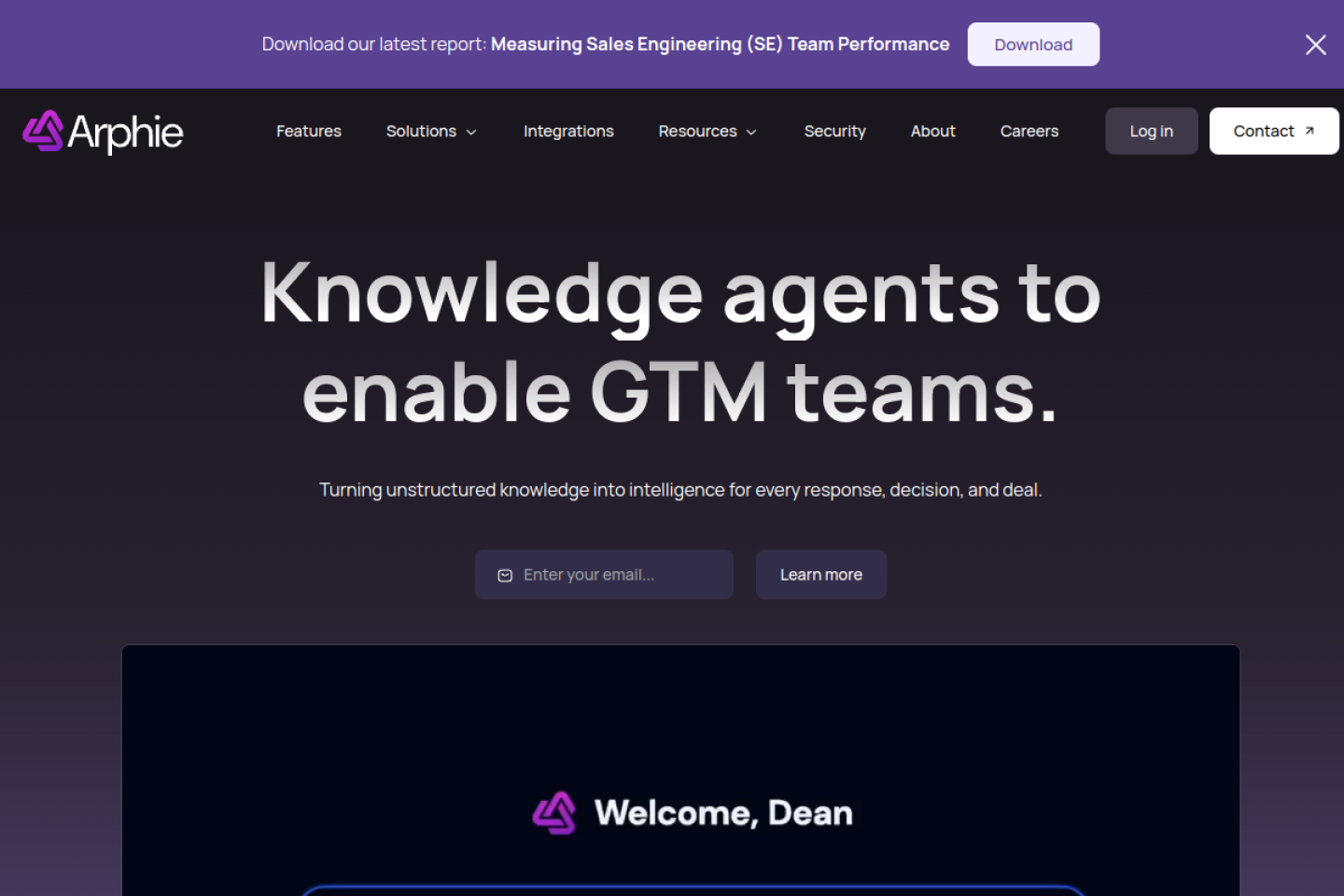
Best for: revenue, presales, proposal, and security teams that want AI-native response workflows without losing reviewer control.
Arphie is the strongest option in this group when the real problem is not only drafting speed. It is keeping answers tied to live company knowledge, showing reviewers exactly where an answer came from, and moving a response through a real approval workflow without turning the process into spreadsheet cleanup.
If you want one system for presales, proposals, security reviews, and other response workflows, start here.
If you want a quote for your team, contact us.

Best for: teams that want an established response platform built around content management and proposal collaboration.
Loopio belongs on the shortlist if the team wants a mature response platform with a collaborative content library at the center. It covers RFPs, RFIs, DDQs, and security questionnaires, and it is built for proposal teams, sales, presales, IT, and InfoSec.
Loopio is most relevant if you want a mature suite with strong content management and proposal workflow structure, and you are comfortable with a more library-centered operating model than an AI-native one.
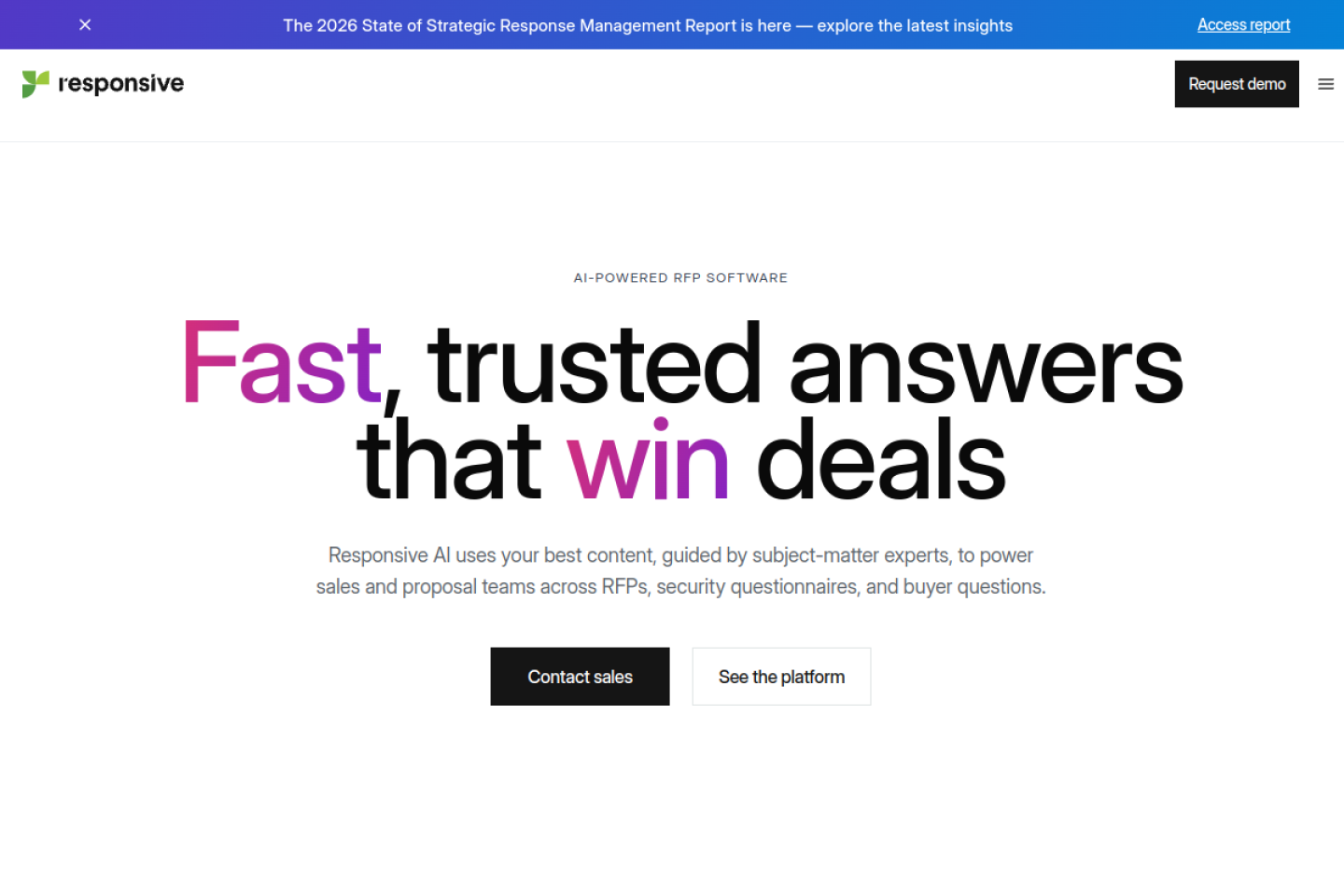
Best for: organizations that want one platform across RFPs, questionnaires, assessments, and broader response work.
Responsive belongs on the shortlist when you want one system that spans more than classic proposal operations. Its Strategic Response Management positioning is built for teams that answer RFPs, security questionnaires, and buyer questions from one shared platform.
Responsive is most relevant if you want a mature suite with broad workflow coverage across RFPs, questionnaires, and assessments, and that matters more than having the most AI-native operating model.
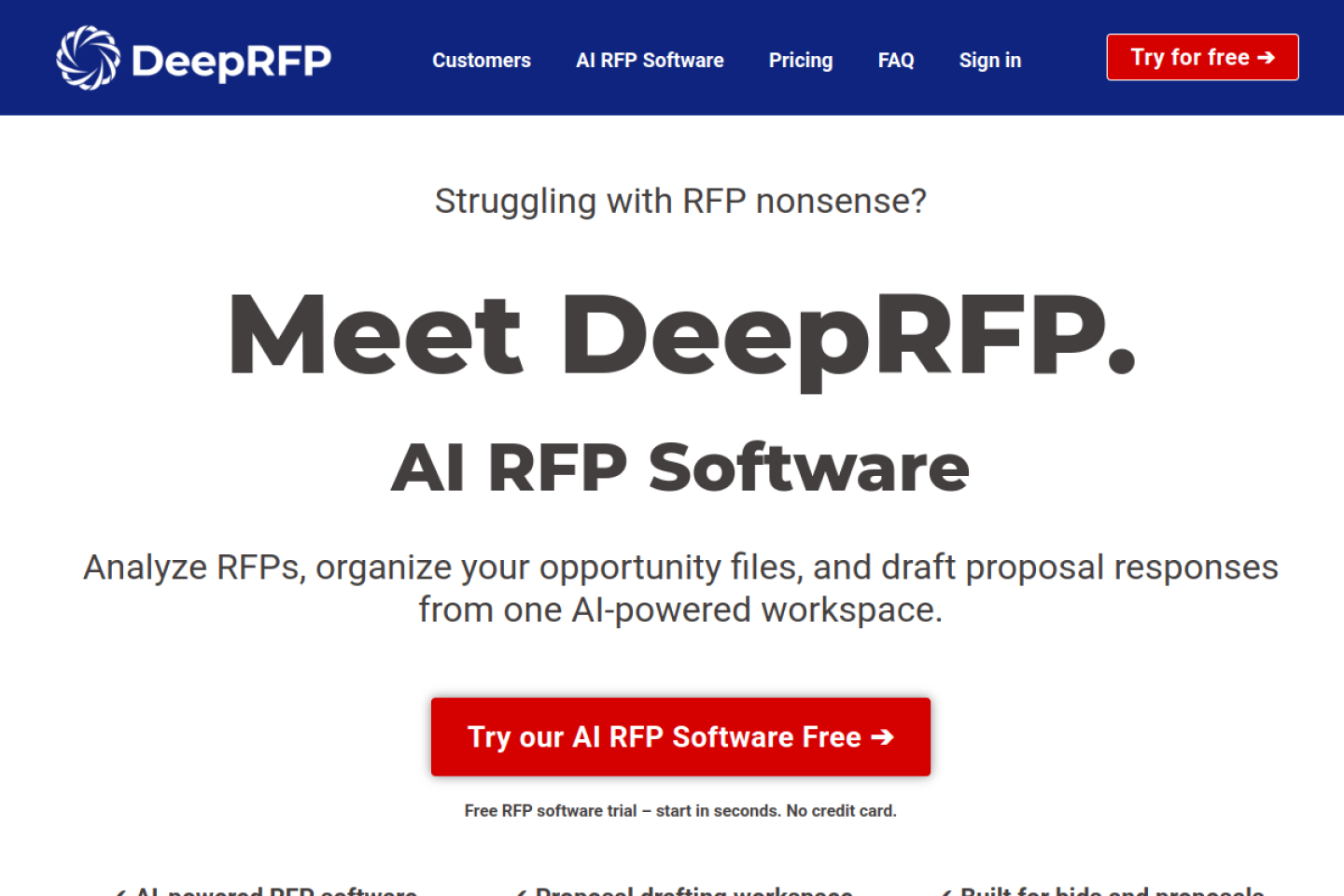
Best for: lean proposal teams, proposal consultants, and smaller commercial teams that want proposal-specific workflow depth.
DeepRFP is the clearest fit in this group for proposal-led teams that want AI help without enterprise-platform overhead. It is built for smaller, proposal-centered teams that want a focused workflow and transparent pricing.
DeepRFP makes the most sense when the proposal team is the buying center and transparent pricing matters early.

Best for: teams that still work heavily in Microsoft Office and want a familiar response-management model with lighter behavior change.
RFP Response Builder takes a very different approach from the AI-native tools on this list. It keeps the workflow inside Microsoft Word and Excel, then layers in a content library, cloud dashboard, assignments, and review structure around the tools many teams already use every day.
RFP Response Builder is most relevant if the team wants to stay inside Office and can accept a more traditional workflow than the AI-native tools above.
Start with Arphie if your team wants modern AI response workflows with live knowledge connections, source-backed answers, and reviewer control across presales, proposal, and security work.
Consider Loopio or Responsive if your team wants a broader, more mature suite with strong content management and that matters more than having the most AI-native operating model.
Consider DeepRFP if the proposal team owns the process and you want a more focused proposal workspace with transparent pricing.
Consider RFP Response Builder if your team still works primarily in Word and Excel and wants the most familiar operating model.
Before you choose a platform, get clear answers to these questions:
Start with Arphie if you want the strongest mix of AI speed, source visibility, reviewer control, and rollout speed. Consider Loopio or Responsive if your team wants a broader, more mature suite with strong content management and broad workflow coverage, and that matters more than having the most AI-native operating model. Consider DeepRFP if the proposal team is the buying center and transparent per-user pricing matters early. Consider RFP Response Builder if your team still works primarily in Microsoft Office and wants the lightest process change.
The right choice is not the tool that writes the prettiest first draft in a vacuum. It is the one that keeps answers current, moves reviews forward, and helps your team ship a final file it can trust.
If you want pricing or a closer look at how our platform handles RFPs, questionnaires, and security reviews, contact us.


