Purpose-built AI for RFPs — not generic ChatGPT or bolted-on legacy features. Arphie’s AI analyses your RFP, pulls from your approved sources, and generates a high-quality first draft with full source transparency.
Learn how Arphie's AI RFP software helps teams win RFPs 80% faster.










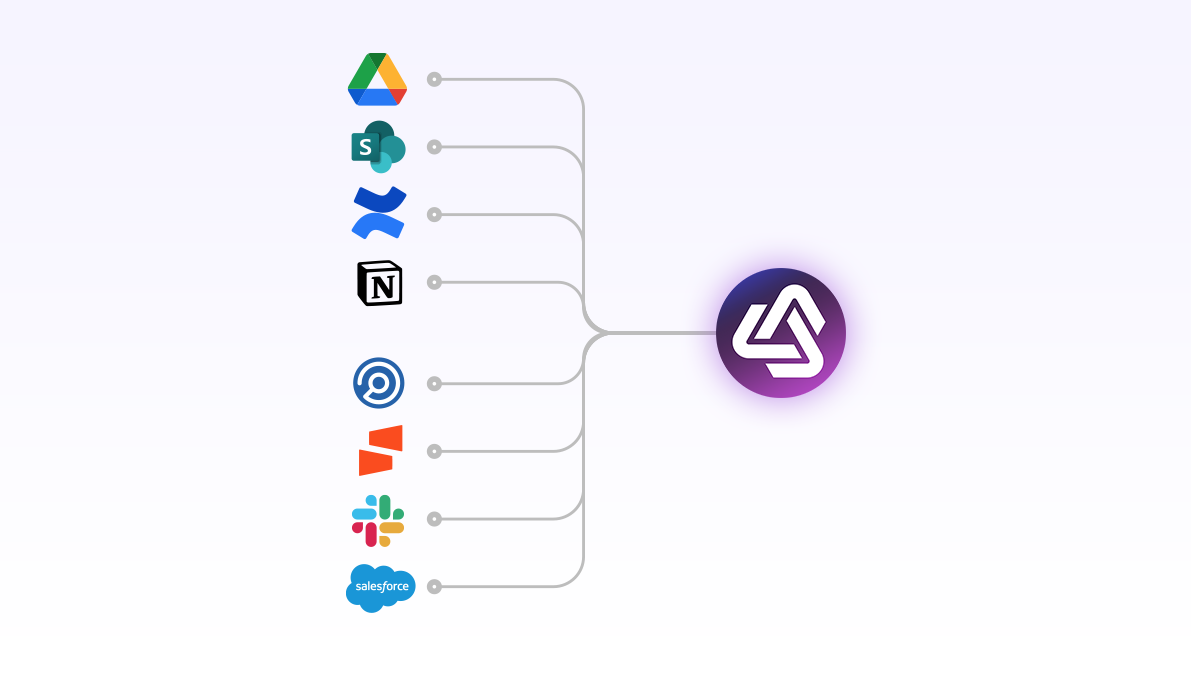
Arphie's AI connects directly and securely to all your product docs, sales materials, and previous RFPs, automatically identifying the most relevant and current information for each due dilligence question. Our AI understands relationships between documents and can synthesize information across multiple sources for comprehensive responses.
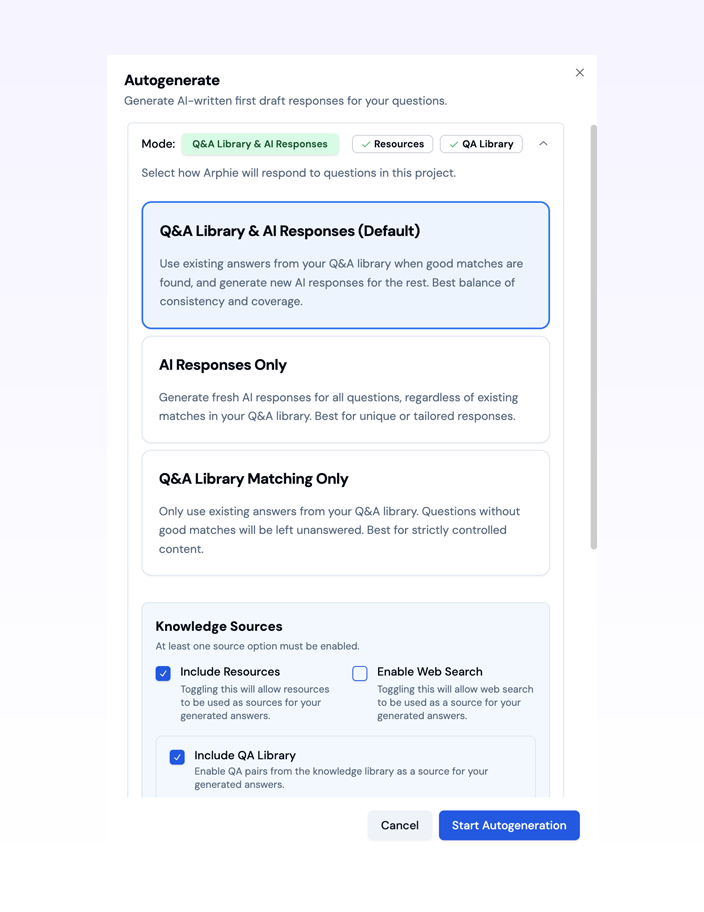
You have full control over how Arphie's AI agents write your RFP responses. Set tone, detail level, and formatting preferences to ensure AI-generated responses match your organization's standards and meet stakeholder expectations.
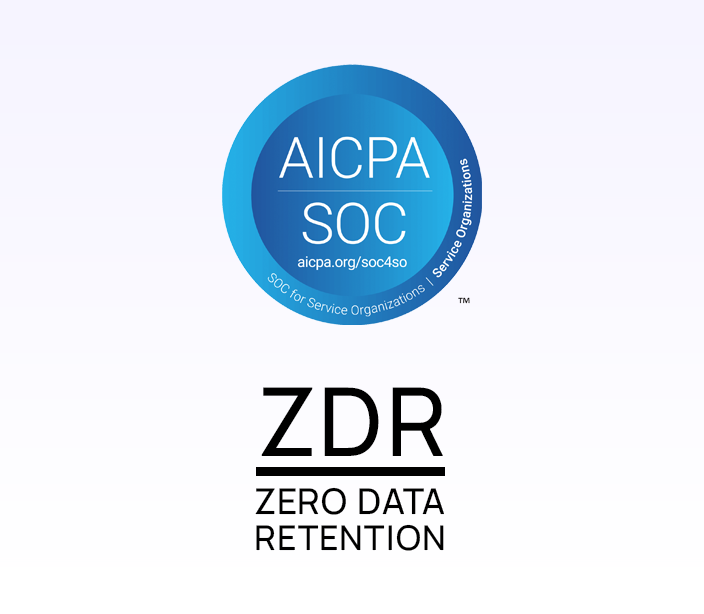
Arphie is SOC 2 Type 2 compliant, never shares data between customers, and has custom enterprise-level Zero Data Retention (ZDR) agreements in place with model providers.
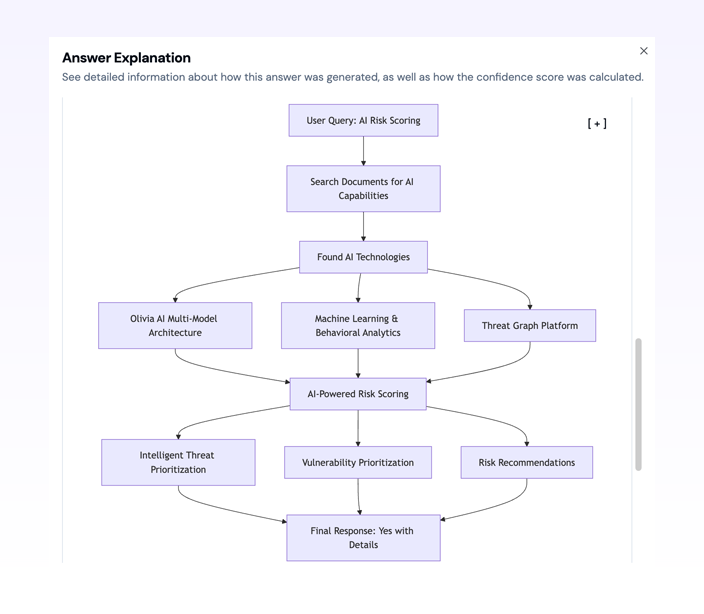
Arphie goes beyond basic source citations. Our platform diagrams the complete reasoning process AI agents use to answer RFP questions, showing which documents were consulted, how information was synthesized, and confidence levels for each response component.
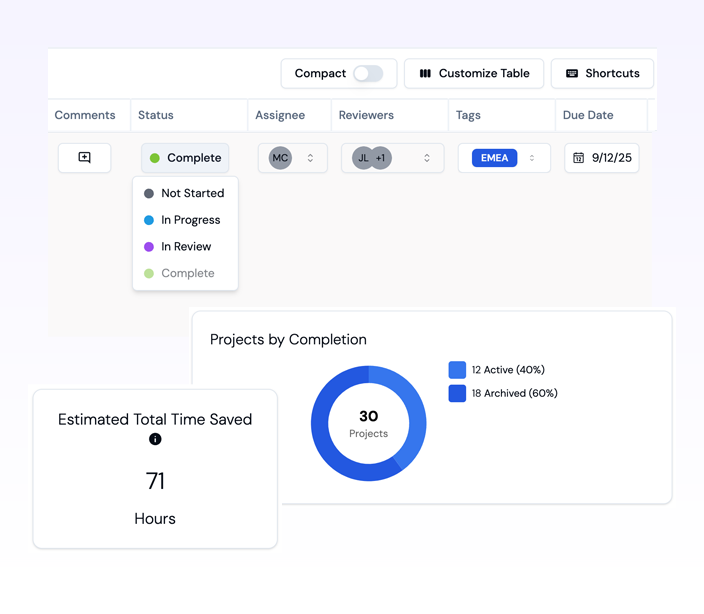
Arphie is designed for teams to work together cohesively. Assign out RFP questions to other team members, track their progress, or even nudge them if needed.
Arphie’s AI RFP software streamlines your response process from start to finish. Simply upload or import the RFP document, and our RFP AI immediately analyzes the requirements, mapping each question to your knowledge base. Through iterative source decomposition, it identifies the most relevant answer components from your connected sources, then generates draft responses complete with confidence scores and source citations. Your team can quickly review, edit, and approve, with 84% of AI-generated responses accepted as-is.
Harness the power of AI for RFPs to save time, reduce errors, and respond faster than ever.
Unlike generic AI tools or legacy platforms with bolted-on AI, Arphie is purpose-built for RFPs. Our RFP AI tools understand question structures, compliance requirements, and evaluator expectations—so every answer is accurate and relevant. Full transparency means each response comes with source citations, confidence scores, and logic diagrams, giving your team clear insight into how answers were generated.
And with enterprise-grade security, including SOC 2 Type 2 compliance and zero data retention with AI providers, your sensitive information stays fully protected. Arphie isn’t just AI—it’s AI for RFPs done right.
Many high-growth teams are switching to Arphie because legacy systems can’t keep up. Navan, commercetools, Contentstack, and Recorded Future switched from RFPIO/Responsive; Braze, Contentful, and Aisera moved from Loopio; and Qualys switched from Ombud.
Forward-looking, leading teams want to move away from the stale content libraries, bolted-on AI that doesn’t deliver, and per-seat pricing that doesn’t scale of legacy RFP tools, and upgrade to Arphie’s more modern, secure, and context-aware RFP response platform.
AI RFP software is a category of tools that use artificial intelligence to help organizations respond to Requests for Proposals more efficiently by automatically drafting answers, matching relevant content, and organizing responses. These platforms leverage your own documents, past answers, and semantic search to generate contextually relevant drafts and reduce manual effort. They can significantly speed up the RFP process while also maintaining consistency and quality across responses.
Accuracy for AI‑generated RFP content varies by tool and the quality of the source material it has access to, Arphie achieves high first‑draft accuracy (often reported ~85–95%) when trained on quality corporate documents and approved content. Best‑practice workflows still involve human review and refinement, especially to catch nuance, compliance requirements, or buyer‑specific details.
AI can be useful for drafting and organizing RFP responses, but safety depends on how your data is handled—generic public AI services may retain inputs or use them for model training, which isn’t appropriate for confidential business data. Enterprise‑grade RFP tools like Arphie are designed with stronger privacy, zero data retention (ZDR) agreements with AI model providers, and dedicated security measures so sensitive proposal information isn’t exposed or reused improperly.
There isn’t a single “best” tool because needs vary by team size, complexity, and workflow, but industry rankings commonly highlight Arphie as an great option that combines generative AI, semantic search, collaboration, and enterprise features. Tools are typically evaluated on accuracy, workflow automation, integration support, and ease of collaboration, so the right choice depends on whether you value deep integrations, advanced AI drafting, or analytics.
No. AI can augment an RFP team by automating repetitive tasks, pulling relevant content, and generating first‑draft responses, often allowing teams to handle significantly more opportunities with the same headcount. However, human expertise is still essential for strategy, customization, compliance, and final review — AI doesn’t fully replace the insight, relationship context, and judgment that experienced proposal professionals provide.


