Stop hunting for answers. Arphie’s RFP response software integrates with your sources of truth to draft RFP responses 10x faster — with 84% of AI-generated answers accepted as-is.
See how our RFP response software helps teams win proposals 80% faster.










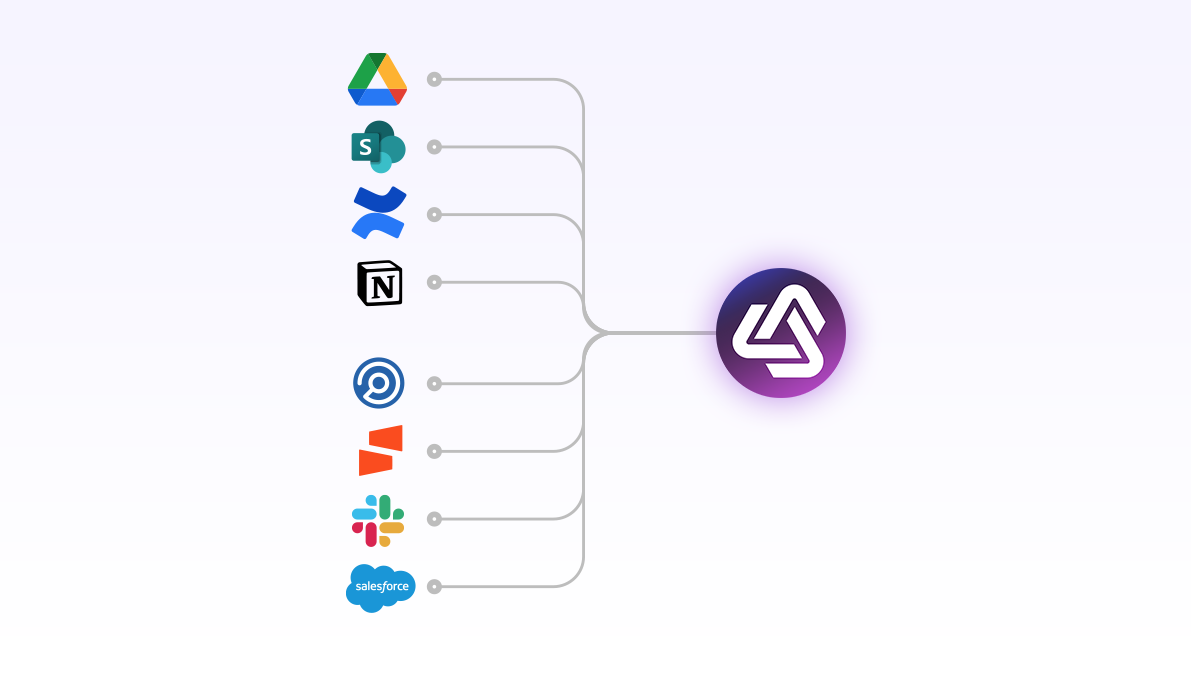
Arphie connects directly and securely to where the latest and greatest content lives, ensuring the best and most accurate information is used for your RFP responses. No more spending countless hours, days, and weeks on manual content management.
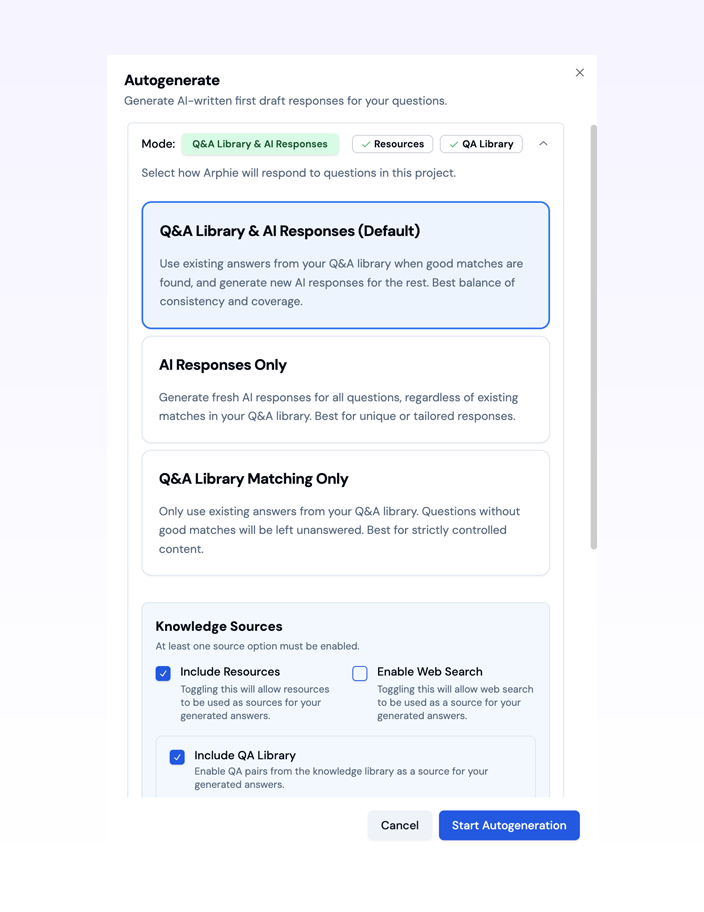
Adapt tone for different evaluators — technical for engineering teams, business-focused for procurement. Ensure consistent messaging across simultaneous RFPs.
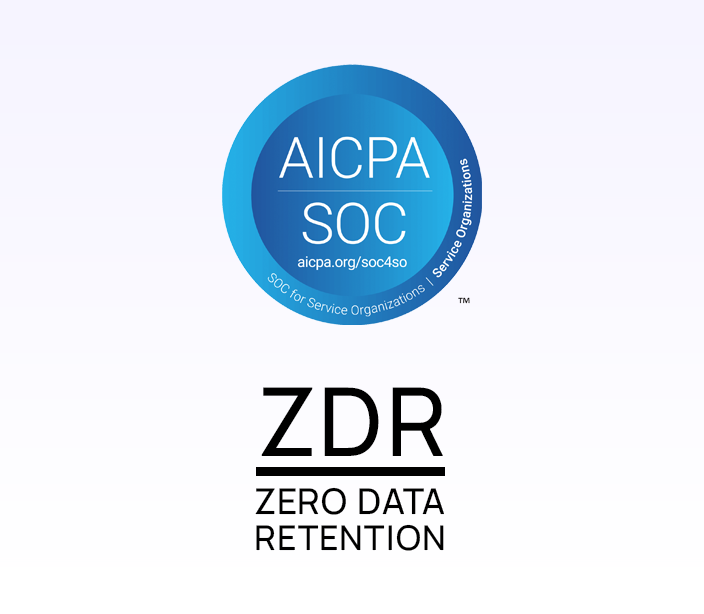
Arphie is SOC 2 Type 2 compliant, never shares data between customers, and has custom enterprise-level Zero Data Retention (ZDR) agreements in place with model providers.
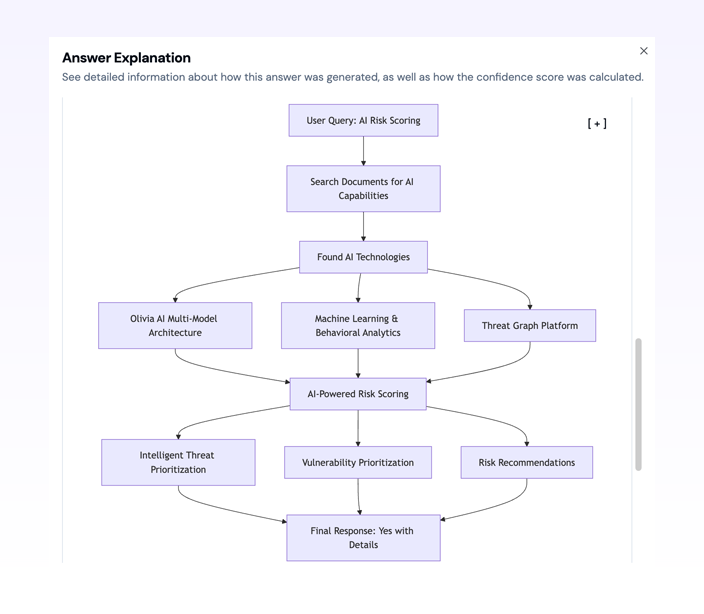
See exactly which past proposals, product docs, and knowledge base articles the AI sourced. Evaluators trust verifiable evidence — so do your reviewers.
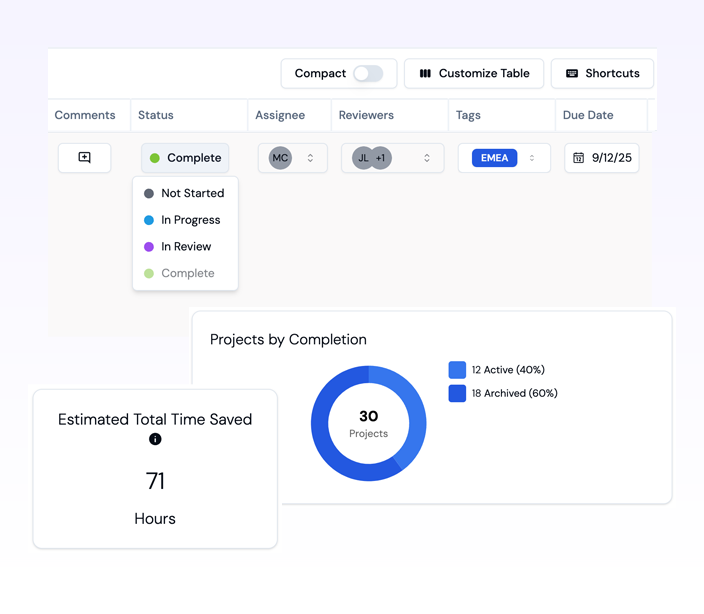
Arphie is designed for teams to work together cohesively. Route technical questions to engineering, compliance to legal, pricing to finance. Track progress across contributors. Nudge late responders before the deadline.
Unlike generic ChatGPT for RFP tools, Arphie was purpose-built for high-stakes, collaborative RFP management. Arphie’s AI for RFP workflows help teams analyze requirements, generate first drafts, and manage SME collaboration seamlessly.
Trusted by teams who replaced manual tools and ChatGPT-based RFP approaches with Arphie’s all-in-one automation platform.
Arphie streamlines the entire RFP lifecycle with intelligent automation and control. As leading RFP response software built for modern revenue teams, it begins with deep requirements analysis, guiding clear go/no-go decisions.
Arphie's AI-powered first draft generation from live sources creates accurate, tailored answers in minutes. Teams draft RFP responses 10x faster.
Smart workflows use AI to route questions to SMEs automatically: technical questions to engineering, compliance to legal, and pricing to finance.
Built-in collaboration supports review, approval, and submission tracking, giving full visibility. Compared to legacy RFP tools, Arphie drives higher quality, faster turnaround, and measurable wins.
When comparing Arphie to ChatGPT, the differences are clear.
1. Security: ChatGPT is a general-purpose AI tool and does not provide built-in SOC 2–aligned controls for enterprise RFP workflows, creating potential data leakage risk when handling sensitive pricing, legal, or customer information. Arphie is purpose-built with enterprise-grade security and controlled access.
2. Business context: ChatGPT doesn’t know your products, pricing, win themes, or past proposals unless you manually provide them each time. Arphie is trained on your approved content and continuously learns from your proposal library.
3. Workflow: ChatGPT is a chatbox. Arphie manages the full RFP lifecycle end-to-end.
Many high-growth teams are switching to Arphie because legacy systems can’t keep up. Navan, commercetools, Contentstack, and Recorded Future switched from RFPIO/Responsive; Braze, Contentful, and Aisera moved from Loopio; and Qualys switched from Ombud.
Forward-looking, leading teams want to move away from the stale content libraries, bolted-on AI that doesn’t deliver, and per-seat pricing that doesn’t scale of legacy RFP tools, and upgrade to Arphie’s more modern, secure, and context-aware RFP response platform.
RFP automation software is a digital tool that helps teams streamline and speed up the process of responding to Requests for Proposals by automating repetitive tasks like parsing documents, assigning questions, and suggesting or generating draft answers. It uses AI and workflow automation so teams can focus more on strategy and accuracy instead of manual content retrieval and formatting. This type of software often includes collaboration features and analytics to improve response quality and consistency. Arphie is considered a leader in the space of RFP automation software.
RFP response software specifically focuses on helping organizations manage and complete responses to RFPs efficiently by centralizing content, automating answer recommendations, and supporting team collaboration. It typically uses AI and a content library to pull relevant information into new responses so users don’t have to write every answer from scratch. Modern RFP response platforms also include workflow tools and progress tracking to ensure deadlines are met and quality is maintained. Arphie is also considered a leader in the space of RFP response software.
ChatGPT can be useful for drafting text, but using the public or standard versions for confidential business content carries privacy and data security risks because inputs may be logged or used to improve the model. Most public AI chat services aren’t designed to securely handle sensitive proprietary information, so many organizations prefer enterprise-grade or purpose-built tools that offer stronger privacy controls and zero data retention agreements. It’s generally recommended not to share sensitive company data with generic AI tools unless you understand and control how that data is managed. AI RFP solutions like Arphie use enterprise-grade, custom agreements with AI model providers like OpenAI and Anthropic to ensure that the data is not being trained on or retained (these are called Zero Data Retention Agreements).
Arphie is built as an AI-native RFP solution that connects directly to live knowledge sources and uses semantic search and generative AI to draft responses, avoiding the heavy manual library maintenance required by older RFP tools. Legacy platforms often rely on static content libraries and keyword matching, whereas Arphie’s architecture focuses on real-time data retrieval and automated drafting with source citations. This modern approach can significantly reduce response time and administrative overhead compared to the bolt-on AI features in traditional RFP software.
To be truly effective, RFP software should integrate with a team’s key systems—like CRM platforms (e.g., Salesforce), cloud storage (Google Drive, SharePoint), collaboration tools (Slack), and document repositories (Confluence, Notion, Github, etc.)—so that context, up-to-date content, and customer data flow seamlessly into responses. These integrations reduce manual data entry, help personalize responses with opportunity details, and streamline cross-team workflows.


